

Final Numbers Overview
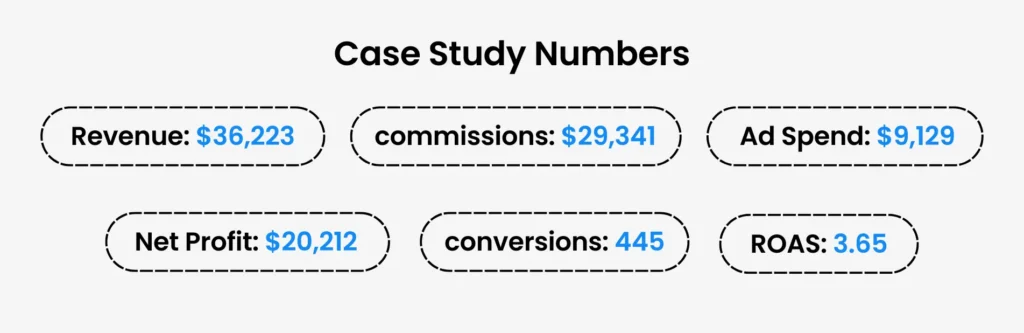
This case study combines organic traffic, paid Meta ads, and AI-assisted execution into one scalable affiliate strategy for Hosting Profit.
The Affiliate Behind the Results
The affiliate is based in the Netherlands and has solid experience in performance marketing, supported by a strong SaaS background.
- Focused on long-term funnels, not short-term wins
- Understood audience behavior and decision paths
- Chose web hosting for its real demand and sustainable revenue potential
- Prioritized smart execution over traffic burn
Why He Chose Thamara
With his experience, the affiliate had faced the same challenges more than once. Tracking that breaks, unclear reporting, and conversions that disappear make scaling risky and hard to trust.
Thamara positioned its hosting affiliate program to support confident scaling by addressing those exact problems:
- Reliable multi-layer tracking, transparent reporting, and responsive support removed the uncertainty.
- Commissions sealed the decision. Up to 80% upfront, plus a 10% renewal bonus that compounds over time, turned each customer into a long-term revenue asset.
He started with planning. That’s what made the numbers possible.
The first step was preparing everything needed for execution
Role of AI in Creative Execution & Scaling
From day one, AI was part of the execution.
- Validated data and ready creative materials from Thamara were turned into multiple angles and variations without rebuilding from scratch
- High-intent keywords and targeting angles were identified on real user behavior.
- Short-form & UGC videos for Reels and Shorts were created with educational, problem-led hooks
- Real user pain points were mapped, keeping messaging consistent across organic and paid channels
For clarity, the breakdown begins with the organic side of the execution.
1- Organic Validation
The affiliate started by testing multiple organic approaches to drive conversions. His goal was clear: build trust first and see what could work without paid traffic.
What he did:
- Engaged in real hosting discussions on Facebook Groups, Quora, and Reddit
- Focused on educating users instead of promoting offers
- Explained hosting and performance issues in simple terms
- Shared practical solutions based on real experience
- Built a single Bridge Page to explain common problems and position Thamara
- Installed tracking pixels to capture visitors into custom audiences
- Tested AI-powered short-form and UGC-style videos on TikTok, YouTube, and Facebook Groups
- Videos focused on quick explanations, performance tips, and common hosting pain points
Organic efforts built trust and early results, but weren’t enough to reach the desired conversion volume, so organic continued while paid ads were introduced to scale.
Bridge Page Performance (Organic Only | 60 Days)
- Total Bridge Page visitors: 10,475
- Visitors who clicked through to Thamara: 2,400
- Organic purchases: 36
Conversion Rates
- Bridge Page → Thamara click rate: 22.9%
- Click → Purchase (Organic): 1.5%
2- Paid Testing Validation
Even with experience, the affiliate didn’t assume anything. The goal was simple: collect clean signals, protect the budget, and understand what actually converts.
Phase 1: Initial Paid Testing (Audience First)
He started small and intentionally focused on audience testing.

Setup
- 1 campaign per geo cluster
- 4 ad sets per campaign “each ad set represented a different audience segment with its own interest”:
- Website Owners & WordPress Users
- E-commerce Owners
- Freelancers & Developers
- Small Business Owners
- $30/day per ad set
- 2 creatives per ad set: “1 static image – 1 video”
Markets tested: “United States – Canada – United Kingdom – Australia – Egypt”
Early results:
Ad Spend (approx.): $1,860
- Paid Visitors: 4,180
- Reached Checkout: 285
- Customers: 44
Conversion Rates
- Visitor → Checkout: 6.8%
- Checkout → Purchase: 15.4%
Performance
- CPA: $42.3
- ROAS: 1.92
The results weren’t what he expected at first. But they gave him clarity. He now knew which audiences were worth pursuing. That’s enough to push forward and build what came next.
Phase 2: Paid Validation & Controlled Scaling
This phase marked the turning point.
The results reached a level that positioned the affiliate as a Top Achiever on Thamara’s affiliate program.

Winning Audiences & Geo Refinement
From the initial tests, two audience segments showed clear and consistent signals:
- Website Owners & WordPress Users
- E-commerce Owners
These audiences delivered the strongest engagement and the most reliable early conversions.
Australia was excluded early due to weak performance signals.
Updated Paid Setup
Scaling continued within the same active campaigns across the winning geos
- 1 campaign per winning geo cluster
- 2 ad sets per campaign, each representing a proven audience
Budgets were increased to $36 per ad set, then scaled gradually by 20% every 48–72 hours based on stable performance.
To expand testing without disrupting performance
The affiliate duplicated the winning audiences and tested new creatives within those duplicated ad sets, while keeping the original high-performing ads running.
3 new creatives were tested to refine messaging and angles
- Problem-led creative with catchy hook positioning Thamara as the solution
- 2 UGC-style videos focused on trust:
- Explaining a real hosting problem and how Thamara solves it
- Showing real usage and why Thamara works in practice
Bridge Page Retargeting Activation
Once the Bridge Page started generating solid traffic from organic sources, those visitors were turned into custom audiences and activated through paid retargeting.
Retargeting setup
1 retargeting campaign
2 ad sets:
- All Bridge Page visitors (7 / 14 / 30 days combined)
- High-engagement visitors
Budget: $30/day per ad set
2 ads per ad set, all using UGC-style videos:
- Before vs After hosting experience
- Strong hosting features at an affordable price
The Affiliate’s Performance Guideline (this phase)
- If CPA climbed back above $40 after being reduced, the ad was paused immediately.
- New content formats were tested continuously to uncover stronger angles.
- Only ads and creatives that proved performance earned the right to be scaled,
- Budgets were then increased gradually, using the 20% rule after 48–72 hours of stable results.
- Anything that broke after scaling was rolled back or cut.
Performance Shift During This Phase
This structured approach led to a clear improvement:
Ad Spend (approx.): $4,050
- Paid Visitors: 8,820
- Reached Checkout: 1,000
- Customers: 155
Conversion Rates
- Visitor → Checkout: 12.2%
- Checkout → Purchase: 14.4%
Performance
- CPA: $26.1
- ROAS: 3
Phase 3: Coupon Strategy
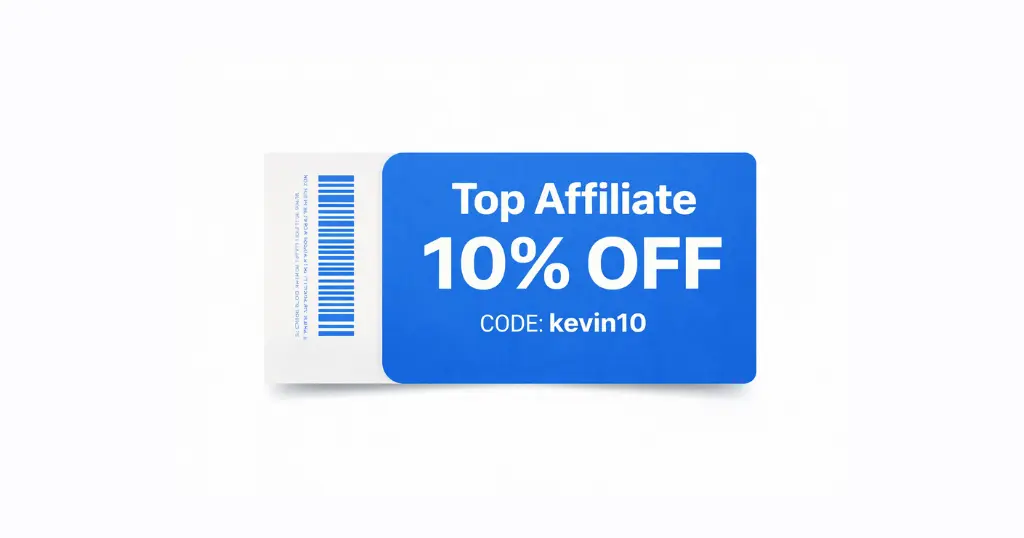
It came as a reward after consistent performance positioned the affiliate as a Top Achiever on Thamara’s affiliate program. He treated the 10% discount coupon as a strategic lever and built a focused execution around it.
Coupon Campaign Setup
1 campaign per proven market: “United States, Canada, Egypt”
3 ad sets per campaign:
- Retargeting: All website visitors
- High-intent users: Reached checkout but didn’t complete
- New users: Controlled test audience
Budget: 40$ per ad set
2 ads per ad set:
- 1 standard video highlighting the service value & a limited-time coupon
- 1 static creative, reinforcing competitive pricing & limited-time coupon
Performance Shift During This Phase
This final optimization delivered a breakthrough in performance:
Ad Spend (approx.): $3,058.64
- Paid Visitors: 6,854
- Reached Checkout: 1,390
- Customers: 210
Conversion Rates
- Visitor → Checkout: 20.3%
- Checkout → Purchase: 15.1%
Performance
- CPA dropped sharply to $15
- ROAS surged to 5.1
Final Paid Funnel Summary (60 Days)
Ad Spend: ~$9,130
- Total Paid Visitors: 19,854
- Total Checkout: 2,675
- Total Paid Customers: 409
Overall Paid Conversion Rate
- Visitor → Purchase: 2.06%
Performance
- CPA: $22.3
- ROAS: 3.65
Final Conclusion — Key Takeaways
- AI enabled faster execution by preparing scalable creative materials before launch
- Organic traffic validated trust and messaging, but paid ads delivered scalable growth
- Audience-first testing reduced wasted spend and revealed where real buying intent existed
- Creative refinement and UGC increased confidence and decision clarity, not just clicks
- Controlled scaling rules protected performance and prevented volatility
- Limited-time offers were positioned clearly as temporary incentives, creating urgency while maintaining strong CPA and ROAS


